
Cap Space: Miami's Junk-Ball Gamble

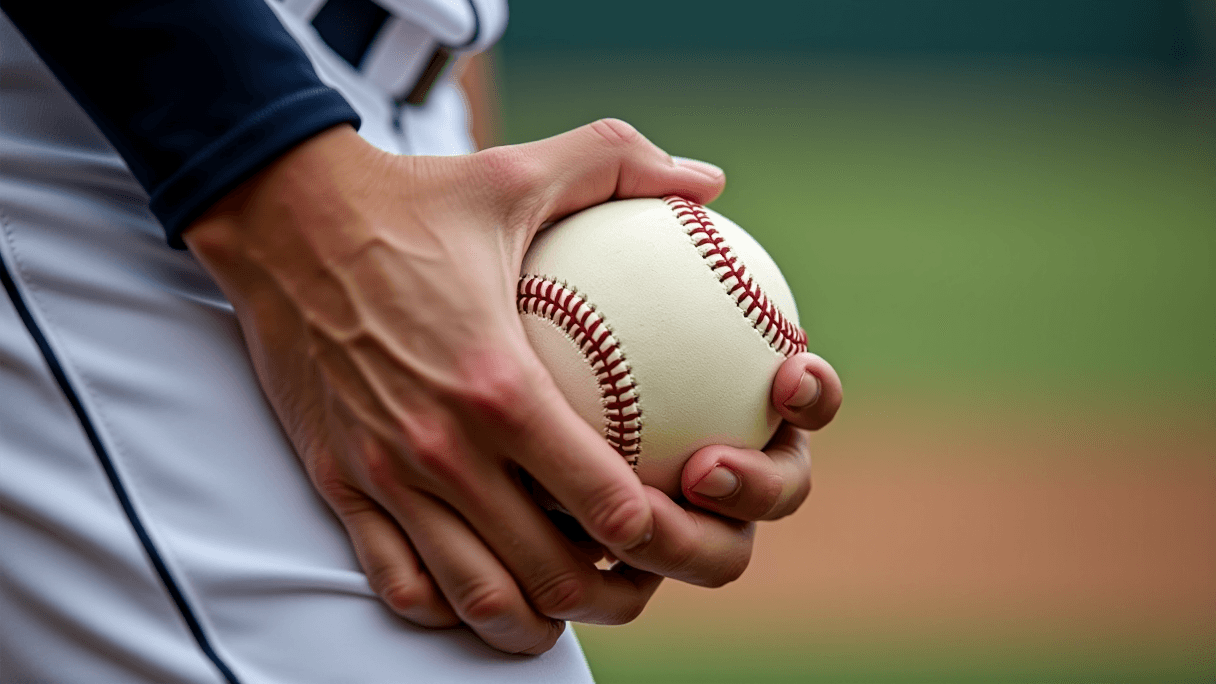
AI-generated image · US National Wire
The Marlins are leading the league in non-fastball usage, but will a philosophy of 'denying the heater' hold up under October pressure?
In a league obsessed with triple-digit velocity, the Miami Marlins are playing a different game. While the rest of the baseball world is chasing the high of the four-seamer, Miami is intentionally leaning into the junk.
As Sports Illustrated first reported, the Marlins have adopted a pitching philosophy centered on denying hitters the one thing they crave most: the fastball. Pitching coach Daniel Moskos told MLB Network that the organization operates on the belief that most hitters, if asked, would tell you the fastball is the pitch they want to see. By zigging while the league zags, Miami has utilized non-fastballs 51.9% of the time this season—the top rate in baseball, according to Statcast data cited by Sports Illustrated.
**OPINION:** Now, look, I've seen every trend in the book. The spreadsheets will tell you this is a masterstroke of efficiency, and the early numbers back that up. Opponents are hitting .231 against Miami, which is a noticeable dip from the .244 MLB average. But as a baseball lifer, I've got to ask: does this actually hold water when the lights get bright and the postseason pressure hits? It's one thing to keep hitters off-balance in a mid-August series; it's another to survive a short series against a disciplined lineup that has a book on your 'unusual approach.'
That said, the Marlins aren't just throwing garbage for the sake of it; they have the arms to make it a viable weapon. Sports Illustrated points to Tyler Phillips as a primary example. Phillips has leaned heavily on a splitter that accounts for 23.7% of his offerings (373 pitches). The results are stark: hitters are batting just .133 against the splitter, compared to a .419 clip against his four-seam fastball. The devil is in the delta—Phillips' fastball averages 96.1 mph, while the splitter sits at 87.2 mph.
Then you have the pedigree of Sandy Alcantara. FanGraphs data shows the 2022 NL Cy Young winner has already thrown his changeup over 500 times this season. Alcantara is no stranger to this; he has surpassed 700 changeups in three different seasons, including a high of 895 during his award-winning 2022 run.
Eury Pérez provides the nuance that makes this strategy dangerous. While he fits the mold with a changeup that produces a 42.5% whiff rate and holds hitters to a .200 average, he still possesses the elite heat. Pérez's four-seamer averages 98.3 mph and sits in the 73rd percentile for fastball run value. Because there is more than an eight mph difference between his heater and his offspeed stuff, hitters geared up for the upper-90s often find themselves way out in front when the changeup arrives.
Whether this is a sustainable foundation for the team's 2026 season or a temporary fluke remains to be seen. As Sports Illustrated notes, opposing teams will eventually adjust as they get a better read on Miami's tendencies. The question is whether the Marlins' staff can evolve faster than the hitters can adapt.