
Beyond the Bureaucracy: The Rise of Distributed Climate Intelligence

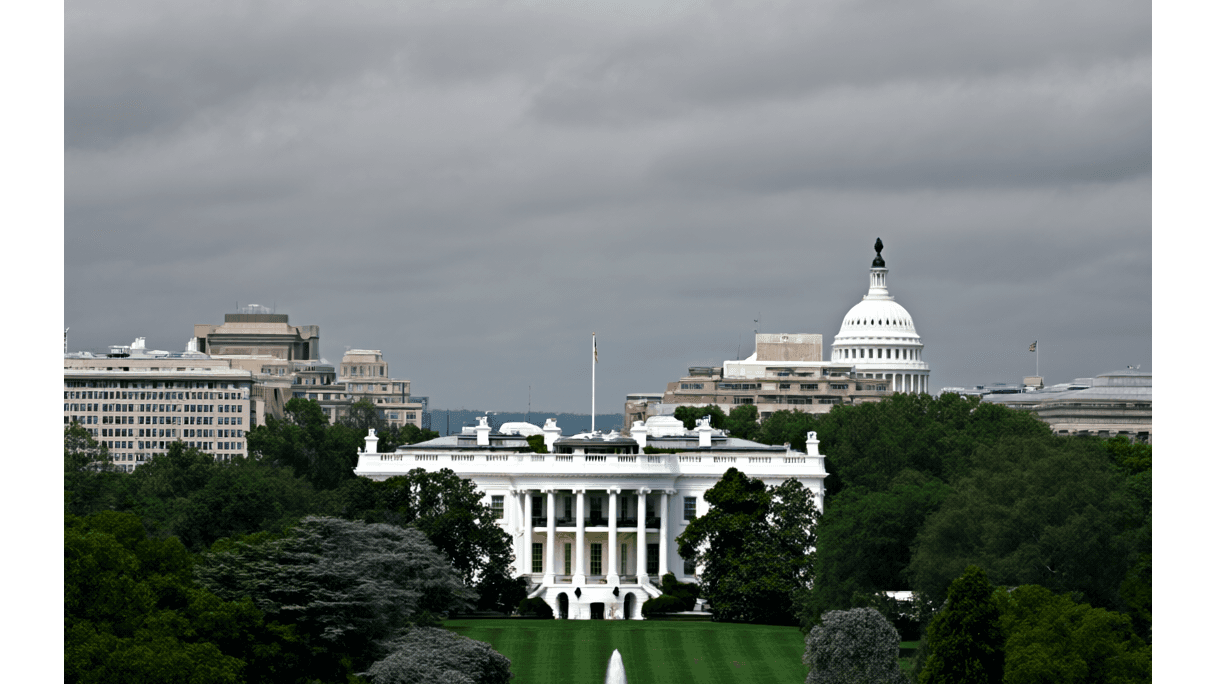
AI-generated image · US National Wire
As the federal government retreats from climate reporting, a new community-led roadmap shifts the focus from centralized mandates to actionable, localized deployment.
When the machinery of government stops tracking a crisis, the crisis doesn't stop happening. As first reported by Ars Technica, the Trump administration effectively dismantled the process for the next US National Climate Assessment by eliminating funding for the US Global Change Research Program and removing hundreds of contributing authors. The administration further erased the historical record by taking previous reports offline.
But for those of us focused on deployment, this vacuum is where the real work begins. The traditional model of the National Climate Assessment—and the International Panel on Climate Change (IPCC)—relied on a centralized, coordinated effort to synthesize thousands of papers into a single, massive report. While useful for high-level policymaking, that top-down structure is inherently vulnerable to political volatility.
In response, the American Meteorological Society and the American Geophysical Union have launched the "US Climate Collection." This isn't another attempt to recreate a government bureaucracy; it is a distributed synthesis effort. Instead of one giant report, the collection invites researchers to publish peer-reviewed papers in scientific journals that are then aggregated into a central resource.
**Opinion: The shift from a centrally managed program to a distributed network is a pragmatic win. By decoupling the science from the federal budget, the work becomes resilient to whoever occupies the White House. We are moving from a system of permission to a system of production.**
According to Ars Technica, the first addition to this collection is a roadmap authored by 175 researchers—many of whom were previously working on the official US report. Published in *Earth’s Future* and the *Bulletin of the American Meteorological Society*, this roadmap prioritizes the gaps left by the government's silence. It targets essential technical updates, such as integrating machine-learning-based simulations and higher-resolution spatial simulations into climate modeling.
Crucially, the roadmap addresses the shifting realities of the ground game. It notes that while renewable energy deployment is increasing and costs are falling, the surge in AI data centers has fundamentally altered US electricity demand expectations.
By operating outside federal constraints, this effort can also zoom in on regional impacts that matter for local infrastructure. For instance, the roadmap highlights research in Alaska regarding how wildfires and permafrost thaw release heavy metals, such as mercury, into surface waters. Furthermore, this decentralized approach allows researchers to look beyond national borders, expanding analysis into Canada or examining global trade links.
As Melisa Kenney, a lead author of the roadmap, told Ars Technica, the objective is to support a network of climate assessment efforts happening at local, state, and sectoral scales. When the federal government stops providing the map, the community builds its own—one that is more agile, more specific, and far harder to erase.