
AV Market Heats Up as Low Entry Barriers Fuel New Wave of Startups

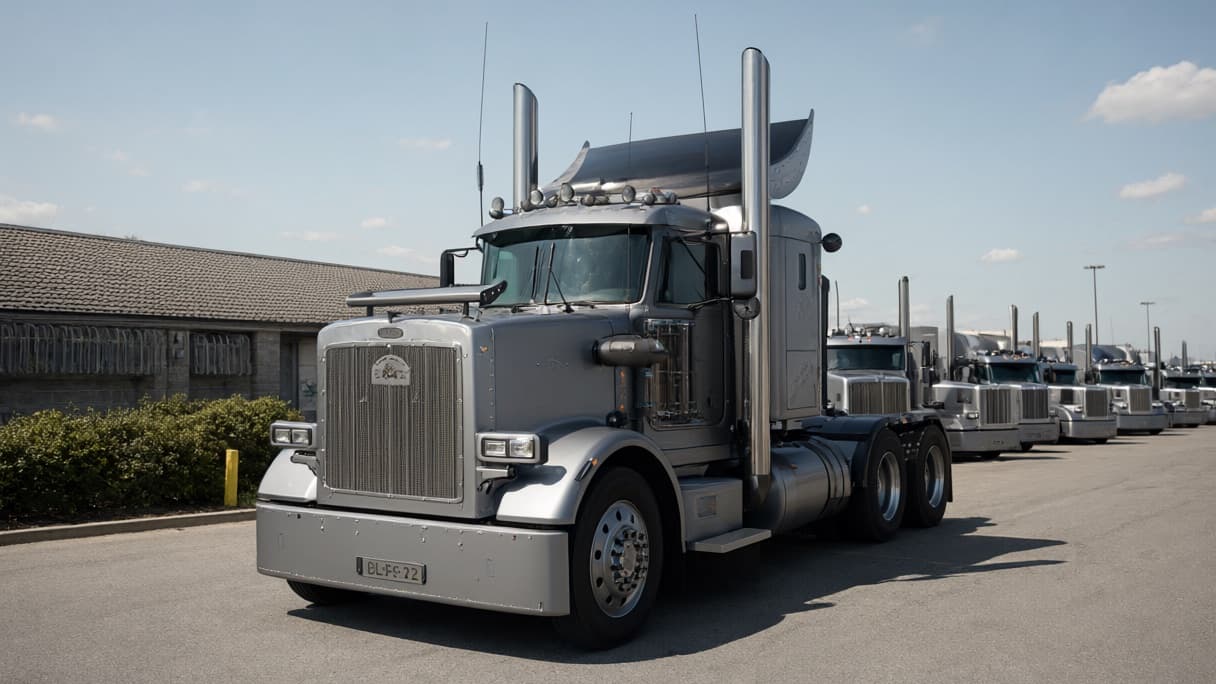
AI-generated image · US National Wire
A surge in AI-driven foundational models is lowering capital requirements for autonomous vehicle ventures, sparking a flurry of high-value funding rounds and strategic pivots.
The autonomous vehicle (AV) sector is experiencing a resurgence in dealmaking activity that Trucks VC partner Puneeth Meruva suggests may surpass the peak years of 2016 and 2017. As first reported by TechCrunch, Trucks VC has been pitched by 81 new AV startups in 2026, representing a two-thirds increase over the previous year.
Meruva attributes this growth to the emergence of foundation models and open-source tools—specifically Nvidia’s Alpamayo and Qwen’s vision-language-action models—which allow for end-to-end architectures that are cheaper and faster to deploy. This shift has significantly lowered the barrier to entry; Meruva notes that some startups are now deploying within months while raising less than $1 million.
While many of these new entrants focus on niche sectors like mining or agriculture, a growing number are pitching pure-play robotaxi businesses intended to compete with Waymo in specific regions or routes.
High-value capital continues to flow into the space. TechCrunch reports that Bedrock Robotics raised $600 million in a Series C round led by CapitalG and Emergence Capital, valuing the company at $4.1 billion. Other participants included Nvidia, 8VC, Bessemer Venture Partners, Temasek, and several others. Additionally, the AI assistant suite is being integrated into the $5.8 billion joint venture between Volkswagen Group and Rivian.
Beyond funding, the sector is seeing a move toward commercialization and public markets. Elroy Air, a developer of autonomous heavy-cargo drones, has hired CFO Jeremy Hux as it prepares for an IPO. Meanwhile, Kodiak AI has secured its first binding commercial deal to deliver 75 self-driving trucks to DTL Transport starting in 2028.