
Aurora Targets 30,000 Driverless Trucks by 2030 to Scale Middle-Mile Logistics

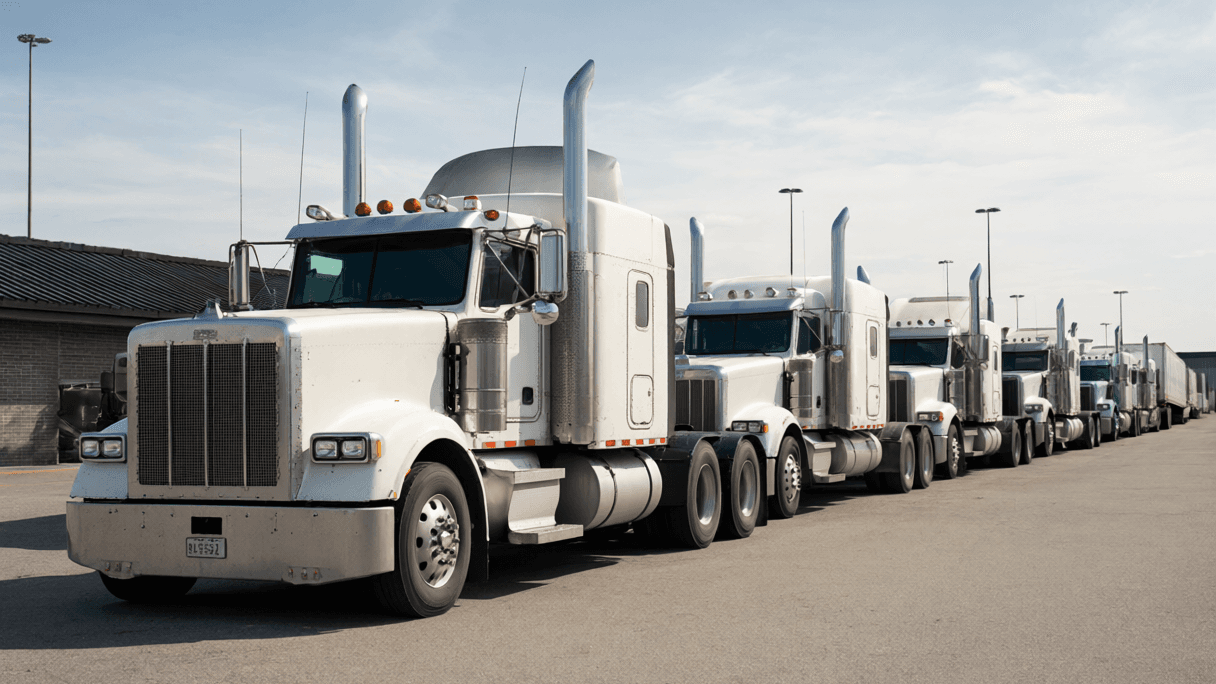
AI-generated image · US National Wire
The autonomous vehicle company plans to pivot from owning fleets to a subscription model to drive revenue and margin growth.
Aurora is betting on a massive scale-up of autonomous trucking to address logistics demands, targeting more than 30,000 self-driving trucks on the road and $5 billion in annual revenue by the end of 2030. As reported by TechCrunch, the company expects to grow from 200 driverless trucks at the end of 2026 to over 1,000 by 2027.
To achieve this, Aurora is shifting its business model. Currently, the company operates a "transportation-as-a-service" proof-of-concept, owning the trucks and charging customers—including Werner, McLane, Hirschbach, and Detmar Logistics—approximately $2 per mile. Starting next year, Aurora will transition to a "driver-as-a-service" model. In this framework, customers will purchase and maintain the trucks themselves, paying Aurora a per-mile technology subscription fee of roughly $0.85.
CFO David Maday told TechCrunch that this shift is essential for scaling, noting that the target of 30,000 trucks is relatively small compared to the 250,000 to 300,000 new trucks produced annually by the four major manufacturers. Aurora expects to achieve breakeven gross margins on a run-rate basis by the first half of 2027, utilizing roughly 500 trucks.
Scaling will be supported by partner Aumovio (formerly Continental), which will mass-produce, finance, and service the third-generation hardware kits starting at the end of 2027. While Aurora plans to expand its operations from a few Southern states to most of the continental U.S. by 2030, investors have remained skeptical. Following the company's September 23 analyst and investor day, shares continued to decline, closing at $5.29 on Monday, down 12.42%.