
Apple's Touchscreen MacBook Pro: A High-Stakes Pivot for the Prosumer Workflow

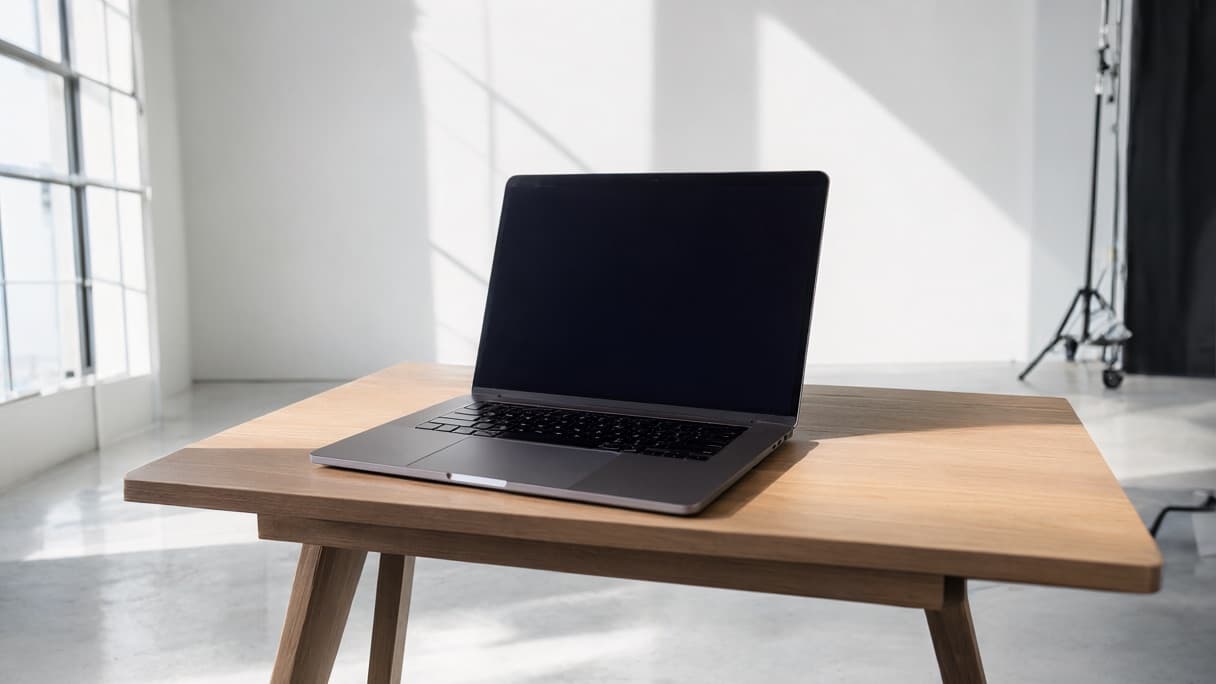
AI-generated image · US National Wire
The introduction of the PROLED XDR touch display marks a fundamental shift in Apple's hardware strategy under CEO John Ternus.
Opinion: From an operator's perspective, Apple's latest hardware pivot isn't just about adding a feature; it is a calculated attempt to salvage the high-end creative workflow by bridging the functional gap between iPadOS and macOS. For years, the prosumer market has been split between the portability of the iPad and the power of the Mac. By integrating touch into the MacBook Pro, Apple is finally attempting to unify these experiences.
**The Hardware Shift** According to reporting from The Verge, Apple unveiled the touchscreen MacBook Pro during its "Pro and tell" event on Wednesday. The centerpiece is the PROLED XDR touch display, a tandem OLED panel boasting a 120Hz refresh rate and up to 2,000 nits of brightness. In a departure from previous designs, the display features a hole punch for the webcam rather than a notch—a detail TechCrunch describes as a Dynamic Island-style cutout.
To ensure the device remains viable for professional use, TechCrunch reports that Apple engineered a specific hinge to stabilize the screen during touch interactions, which also prevents camera shake during video calls. The 14-inch model weighs 3.0 pounds, while the 16-inch model weighs 4.0 pounds, making them lighter than their non-touch predecessors.
**Power and Pricing** Under the hood, the machines are built for heavy workloads. TechCrunch notes the devices offer M5 Pro and M5 Max chip options, with configurations reaching up to 128GB of unified memory and 16TB of storage. Connectivity remains a priority, with three Thunderbolt 5 ports, HDMI, SDXC, MagSafe, and a headphone jack. The M5 Pro supports three external displays, while the M5 Max supports up to four.
Pricing reflects the premium nature of the hardware: * **14-inch model:** Starts at $2,899 * **16-inch model:** Starts at $3,399
**A Change in Philosophy** This launch represents a stark reversal of Apple's historical stance. TechCrunch recalls that former CEO Steve Jobs once labeled the idea of a touchscreen Mac as "ergonomically terrible," and Tim Cook similarly scoffed at the concept. Even the company's previous attempt at touch integration—the Touch Bar—was eventually removed.
This new direction is a hallmark of CEO John Ternus, who previously led hardware engineering. The touchscreen MacBook Pro, along with the iPhone Duo foldable, are among the first major launches under Ternus's leadership. While The Verge notes that touchscreens have been standard on Windows laptops for over a decade, Apple's arrival in this space suggests a desperate need to capture the fluid, touch-driven productivity that creative professionals now demand.
Pre-orders open October 30, with general availability starting November 6.