
Apple's HomeView: A Direct Assault on the Recipe Creator's Funnel

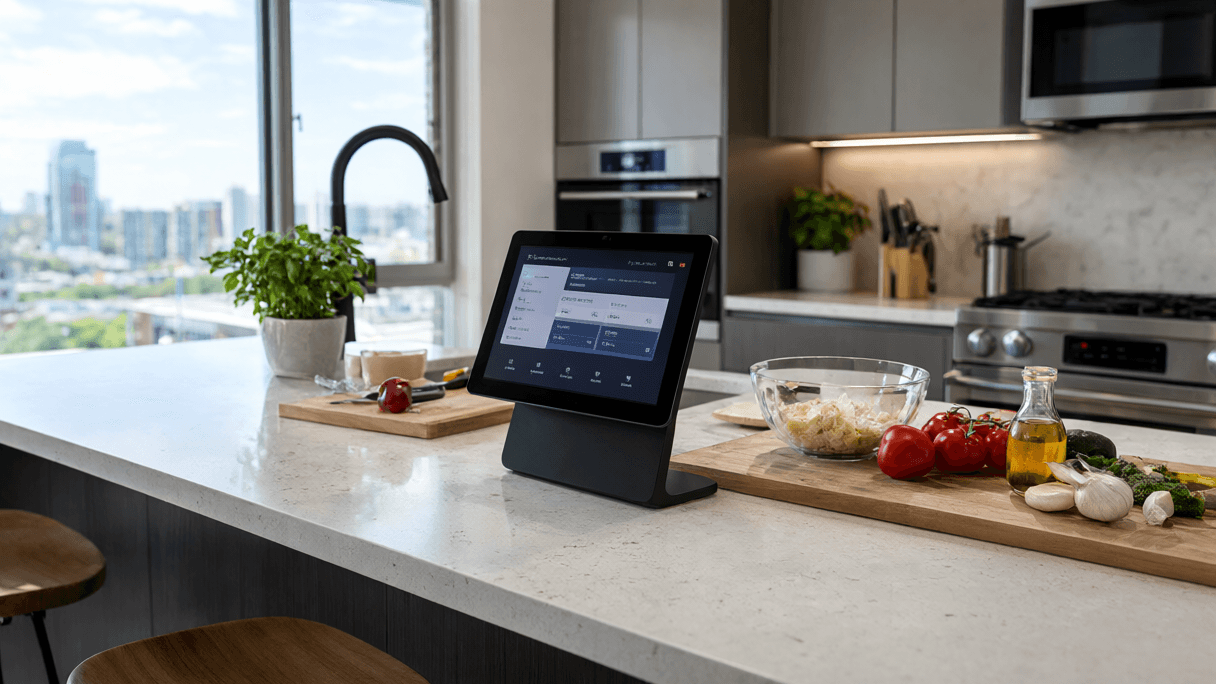
AI-generated image · US National Wire
By stripping online recipes down to the essentials, Apple's new smart display disrupts the ad-driven revenue model and copyright protections that sustain independent food writers.
From a commerce operator's perspective, the value of a digital asset isn't just the content—it's the engagement funnel. Apple's HomeView, as first reported by *The Verge*, is designed to optimize the user experience by removing the friction of the modern recipe blog. However, in doing so, it effectively dismantles the monetization engine that recipe creators rely on for survival.
The company markets the HomeView as a cooking assistant designed for hands-free use. In a promotional video, the company showcases the device in a chaotic family setting, allowing users to pull up recipes—such as French toast—via Siri AI and voice controls. The device strips away the "unnecessary text" and personal anecdotes, leaving only the ingredient lists, timers, and cooking instructions.
While this is a win for the consumer, it is a critical loss for the creator. As *The Verge* reports, the conversion of a recipe into Apple's simplified format strips the content of affiliate links and advertisements. These are the primary mechanisms writers use to recoup the costs of recipe development. Bettina Makalintal, a senior reporter at *Eater*, notes that tools designed to simply extract recipes "break apart that unspoken social contract" between the developer and the audience.
Opinion: This isn't just a feature update; it's a strategic erasure of the creator's business model. The "essays" that users often complain about are not merely filler; they are a survival tactic. Makalintal explains that writers historically padded their text to ensure their content would surface in Google searches. Furthermore, this descriptive text is often the only part of a recipe that is eligible for copyright, as the instructions themselves are generally not protectable.
Apple's implementation does provide a small concession: to load a recipe onto the HomeView, the user must first open it on an iPhone or through Safari on the device. This ensures at least one initial ad impression. However, for a site owner, a single visit is a poor substitute for the repeated impressions generated when a cook stays on a page and scrolls through it during the cooking process.
Beyond the financial impact, there is a functional risk. Makalintal warns that stripping the context can make recipes harder to execute, as users lose access to troubleshooting tips and ingredient swap suggestions.
Despite these concerns, some creators argue that the "jump to recipe" button already solves the user's desire for speed without killing the writer's revenue. Jaya Saxena, one of the founder-owners of the website Ravenous, points out that these buttons exist specifically so users can bypass the narrative text if they choose. By automating this bypass through hardware, Apple is essentially automating the removal of the creator's value proposition.