
Anthropic Launches Model Hardware Standard to Bridge AI and Physical Systems

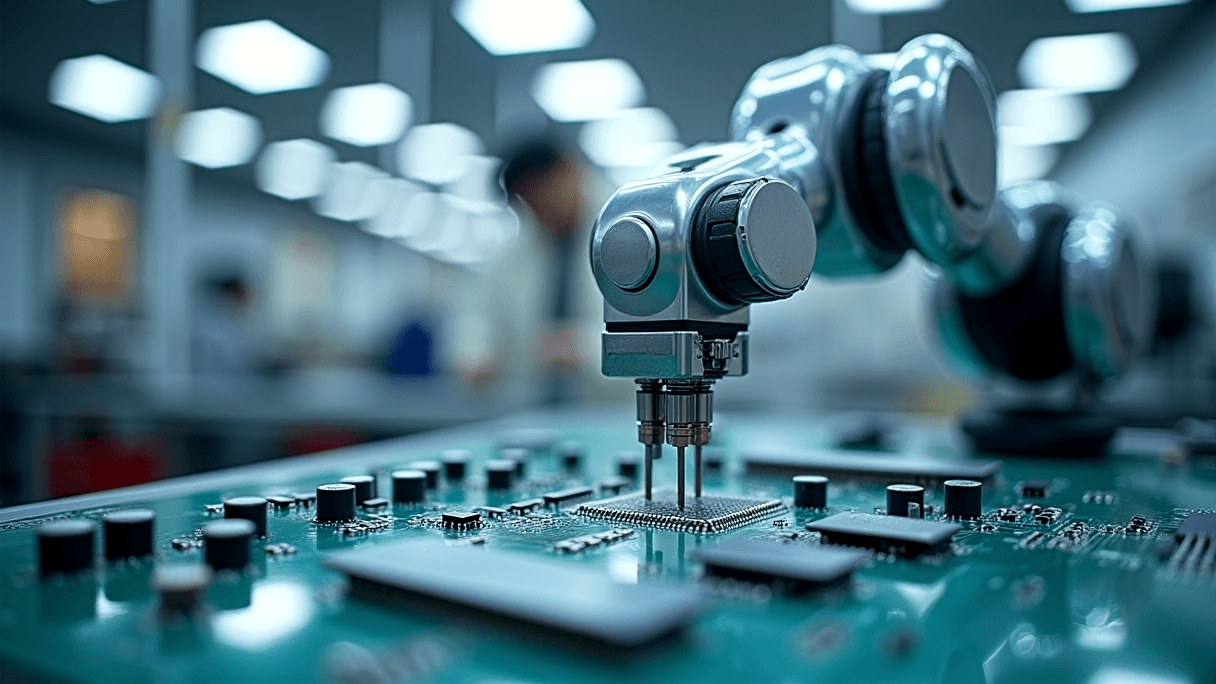
AI-generated image · US National Wire
The new framework aims to replace bespoke software integrations with a standardized driver interface for robotics and lab equipment.
Anthropic has introduced the Model Hardware Standard (MHS), a framework of standardized drivers designed to allow AI agents to interface with and control physical devices. According to reporting from Ars Technica, the system acts as a translation layer, enabling disparate hardware components to communicate across a network without requiring bespoke "translator" programs. Anthropic claims this can reduce experimental setup times from weeks or months to just hours or minutes.
Integrating MHS with the Model Context Protocol (MCP) allows users to control devices using natural language. As detailed by Anthropic, this enables models like Claude to reason through experimental steps, update parameters in real time, and recover from hardware errors autonomously. The system also utilizes a standardized tagging system to encode physical constraints—such as a robot arm's weight and range—providing AI models with essential data for hardware they were not previously trained on.
Anthropic is currently conducting a research preview with a group of advanced manufacturers and scientific labs, including Universal Robots, Raspberry Pi, Automata, Hugging Face (LeRobot), and Amazon Web Services (Strands Robots). The company intends to eventually make MHS an open-source and "agent agnostic" standard.
While the framework aims to accelerate scientific discovery and manufacturing, Wired reports that Anthropic is coordinating with partners to establish safety evaluations. This follows concerns regarding the potential for AI agents to damage physical systems or be misused for nefarious ends, such as the development of biological weapons.