
AI Giants Turn to Retired Jet Engines to Bypass Power Grid Delays

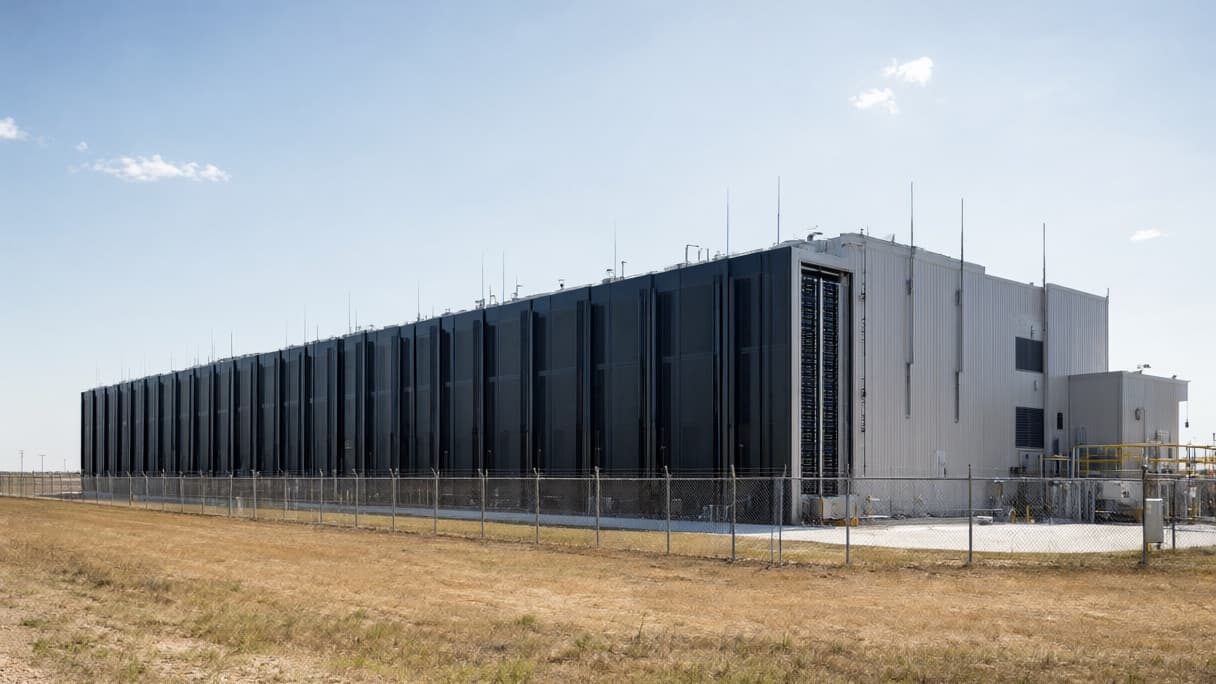
AI-generated image · US National Wire
Companies including xAI and OpenAI are deploying converted aircraft engines to power data centers as grid connections face years-long wait times.
Faced with severe power shortages and grid connection delays, AI data center operators are increasingly turning to converted jet engines to generate electricity, as TechCrunch reports via the New York Times.
These units, rebuilt by ProEnergy from GE engines typically used in Boeing aircraft, burn natural gas and allow facilities to come online much faster than traditional grid connections. Audun Martinsen, an analyst at Rystad Energy, told the New York Times that these engines can have a data center operational in 24 months. In contrast, the International Energy Agency reports that connecting 100 megawatts to the grid in Northern Virginia takes approximately seven years.
Several major players have already adopted this strategy. The New York Times reported that Elon Musk’s xAI installed eight converted jet-engine turbines for its Colossus 2 data center in Memphis, Mississippi. In 2025, OpenAI employed gas turbines for its initial Stargate campus in Abilene, Texas. The Abilene site is being built by Denver-based startup Crusoe, which ordered 13 ProEnergy units in April. While Crusoe previously considered a $1.25 billion deal for 29 natural gas turbines from Boom Supersonic, a spokesperson told TechCrunch in September that the company still intends to use turbines.
Power shortages are already impacting business operations. TechCrunch reports that Microsoft withdrew as the anchor customer for Nscale’s Loughton, England data center after the local utility could not guarantee sufficient power until the early to mid-2030s.
While the Trump administration is encouraging data centers to generate their own power, the New York Times notes that converted jet engines are less efficient and more polluting than turbines designed for conventional gas plants.