
A Collision of Cultures: World Cup Influx Tests the Limits of the American Sports Calendar

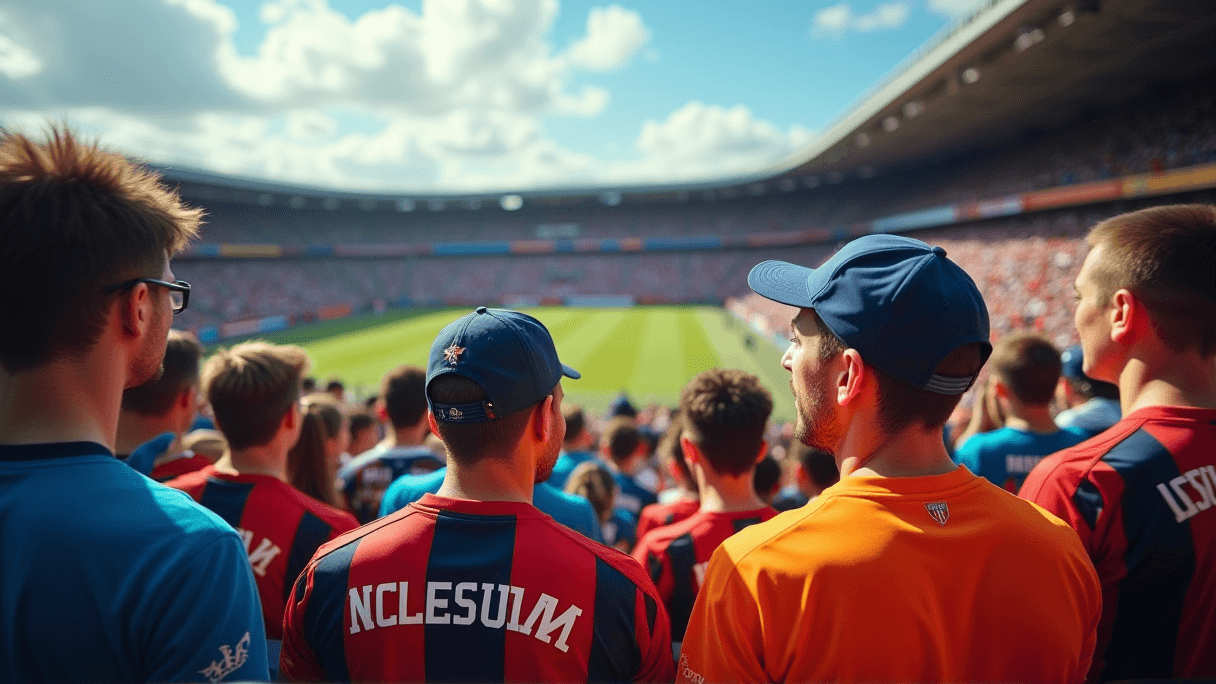
AI-generated image · US National Wire
As international soccer fans bring raucous energy to MLB stadiums, the crossover serves as a critical litmus test for U.S. sports culture ahead of the next Olympic cycle.
The intersection of the 2026 World Cup and Major League Baseball has created more than just a scheduling overlap; it has triggered a cultural collision that is redefining the atmosphere of the American national pastime. From the quiet, slow-paced nature of midsummer baseball to the frenzied energy of international soccer, the crossover is providing a glimpse into how American sports culture may evolve as the next Olympic cycle approaches.
According to reporting from The Guardian, the influx of global visitors has provided a tangible boost to MLB attendance. Between June 11 and July 5, more than 5 million fans attended home games across 12 World Cup host cities, including Toronto. In those markets, the average attendance reached 35,326, a figure higher than the same period in three of the previous four seasons.
This surge is driven by a willingness from MLB franchises to lean into the international presence. The Boston Red Sox, for example, hosted a Scottish Heritage Celebration Night on June 14 against the Texas Rangers. The event drew over 5,000 members of the Tartan Army to Fenway Park, where the crowd totaled 32,006. The atmosphere was marked by bagpipers marching down Lansdowne Street and the singing of "Flower of Scotland" following the national anthem. The experience was so impactful that the Red Sox team president described it as one of the most moving events witnessed at the park in a long time, while Texas Rangers manager Skip Schumaker noted the atmosphere was as close as he could get to attending a European game.
Similar dynamics played out in other markets. The Miami Marlins saw their largest Monday crowd in nine years when they hosted Scotland fans on June 22, with an estimated 8,000 supporters contributing to a total crowd of 20,008. In New York, Norway fans brought their signature row celebrations to a Mets game against the Chicago Cubs at Citi Field. Meanwhile, the Texas Rangers welcomed Australia fans to Globe Life Field, located near Dallas Stadium.
Perhaps the most striking example of this cultural merge occurred in Atlanta. The Atlanta Braves offered discounted tickets to England supporters who were in town following a victory over the Democratic Republic of Congo. These fans brought the energy of Wembley to Truist Park, adopting Braves center-fielder Michael Harris II as a temporary superstar. Despite Harris not being a global face of the sport like Aaron Judge or Shohei Ohtani, England fans sang chants such as "Baseball’s coming home – with Michael Harris!" during a 5-1 victory over the St. Louis Cardinals.
Adam Zimmerman, the senior vice-president of marketing and content for the Braves, noted that while the U.S. typically exports the game, the world is now coming to American shores. In his view, attending a baseball game represents a quintessential American experience.
OPINION: This collision is a vital experiment. By integrating the raucous, participatory nature of international football into the more reserved baseball environment, the U.S. is testing whether its sports culture can pivot toward a more global, high-energy model. As we move toward the next Olympic cycle, the success of these crossovers suggests that American fans—and franchises—may be more open to disrupting traditional stadium norms to accommodate a global audience.